Pilots from the club took part in the national paragliding championship and came home with good results. It is a proud moment for the whole team.
It is also a good chance to explain, in simple terms, how a paragliding competition works.
How a competition works
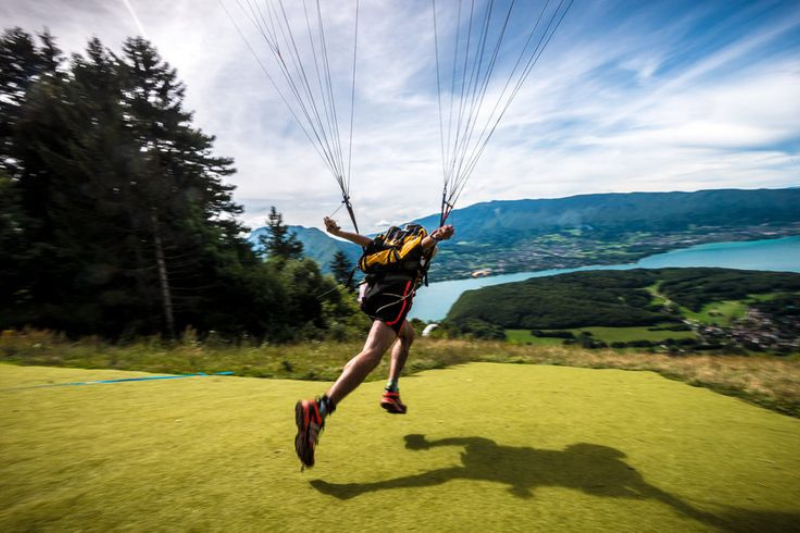
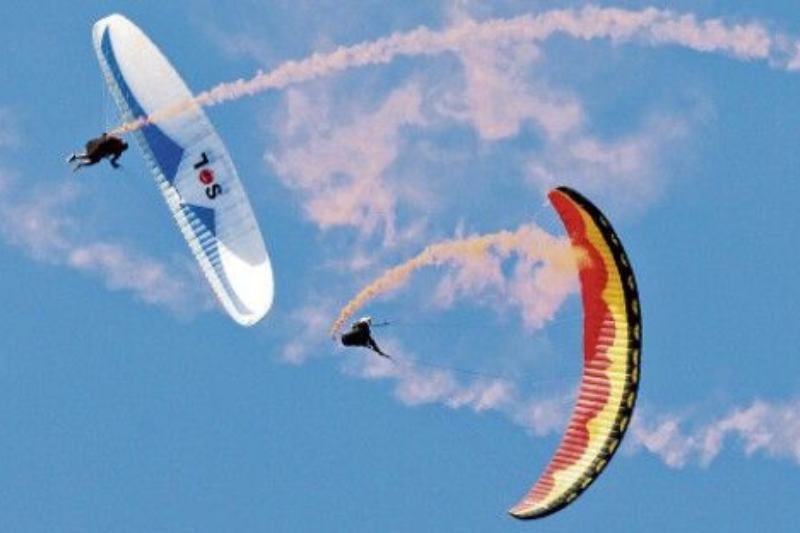
Pilots launch from the same hill and fly a course marked by turn points, using rising air to cover the distance without an engine. The ranking rewards speed, consistency and good decisions.
Each day depends on the weather. Organisers decide whether to fly according to wind and visibility, and safety always comes before the results.
How pilots prepare
Competing means knowing your equipment, reading the sky and deciding quickly. Pilots practise flying technique, study the meteorology and rehearse navigation.
Equipment checks of the wing, harness and reserve are part of the routine, as are rest and fitness before each flying day.
What it brings to the club
What pilots learn in competition carries over to daily work: new ideas, contacts with other clubs and a broader view of technique that they share with students.
Seeing club pilots in a national event also encourages beginners. It shows how far perseverance and good training can take you.
Following a competition
Federations and organisers usually publish results and rankings online. You can also attend as a spectator: watching dozens of wings launch and tracking them on a map is a very visual way to understand the sport.
Thank you to the pilots who represented the club and to everyone who supported them.